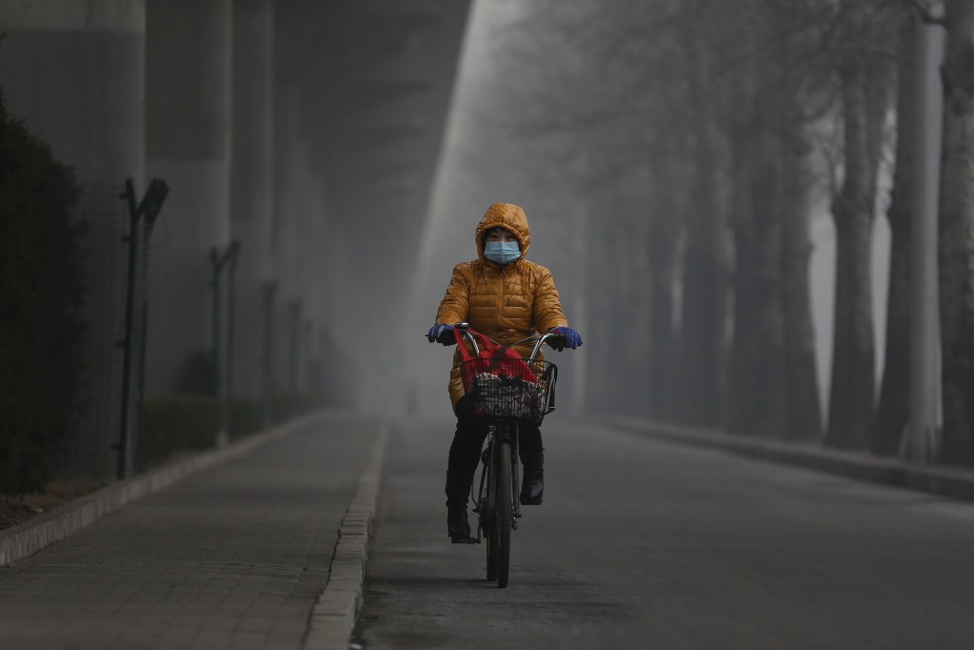
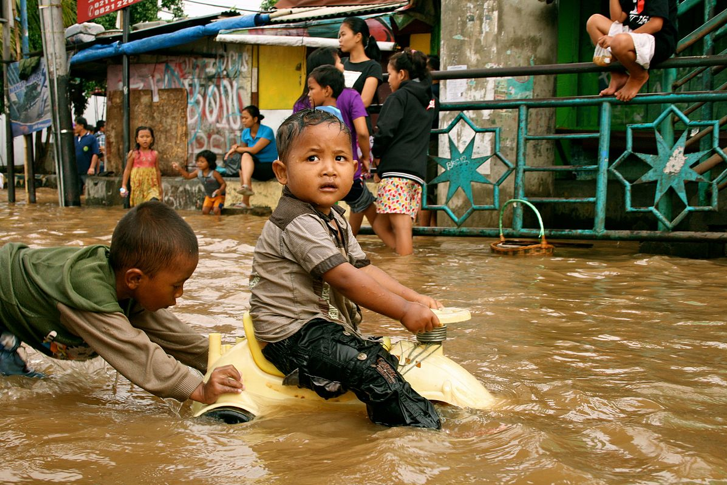
“The enjoyment of the highest attainable standard of health is one of the fundamental rights of every human being without distinction of race, religion, political belief, economic or social condition,” according to the World Health Organization. Health as a human right, however, has been widely overlooked as it becomes increasingly threatened by the effects of climate change. The health effects are not only diverse but also overwhelmingly negative and wide-ranging. These effects being both direct and indirect will therefore impact all individuals as well as economies worldwide. Populations are pressured to change their diets, rapid changes to ice, snow, and land result in more life-threatening accidents, and natural sources of drinking water are disappearing and diminishing in quality. It is estimated that between 2030 and 2050, there will be 250,000 additional annual deaths resulting from heat exposure, malaria, diarrhoea, and childhood malnutrition. The protection of the environment has thus become a crucial part of the contemporary human rights doctrine. According to the Office of the High Commissions for Human Rights, “Human rights law requires each State to do more than merely refrain from interfering with human rights itself; it also requires the State to undertake due diligence to protect against such harm from other sources.” The State has a duty to its people to safeguard their well being even if it means regulating environmentally harmful corporations and industries. Therefore, it is the evident inaction by global institutions, such as governments, relating to the exacerbation of climate change that violates the fundamental human right to health.