

Give a man a fish and you feed him for a day; teach a man to fish and you feed him for a lifetime. If you take away his ability to fish, you limit his independence and culture. Unfortunately, this is the current reality for Japan’s Ainu People. The Ainu presence in Japan runs deep, with their first interaction with the Japanese dating back to 1456. In less than a century’s time, these populations were subjected to Japanese colonial oppression that made a concerted effort to suppress them. This domination was primarily driven by the Japanese desire to control fish and game resources, as well as dominate trade, implications that persist today under the guise of Ainu progression.
The structural legacy of bridled Ainu conformity is the culmination of historical policy, particularly the 1899, 1997, and 2019 measures. The Hokkaidō Former Aborigines Protection Act of 1899 emerged as a powerful tool for incorporating the Ainu into Japan, while failing to improve the actual living conditions of the Ainu. Designed to incite assimilation, the Act ignored the history of these Indigenous sects and incorporated the Ainu as citizens of the nation-state without their consent. From hereon, the Ainu were defined as “former dojin,” the termdojin being synonymous with “barbarous” people. What emerged was the essence of subjugation: the Ainu would lose the title of dojin once they could assimilate into Japanese civilization, and Japan could not be considered whole without the full inclusion of the Ainu people. The Ainu thereby became subjects for the purpose of defining a Japanese national identity, and the assimilation policy resulted in the eradication of their language, customs, and values. Japan, under Emperor Meiji, expropriated Ainu land, denying them their right to self-determination. The Hokkaidō Act repurposed protection, not as the protection of the Ainu from external harm, but as the protection of the Ainu from their own “barbarism”.
This Act was abolished after nearly a century and replaced by the equally ineffective Ainu Culture Promotion Act (ACPA) of 1997. This new measure was designed to promote Ainu cultural practices that were blighted by previous legislation, including language, dancing, and craftwork, but fundamentally opposed granting rights to stolen land. In failing to resolve these structural issues, Japan was subject to increasing international pressure following the creation of the United Nations Declaration on the Rights of Indigenous Peoples (UNDRIP) in 2007. The UNDRIP, by its establishment, created a new international standard that explicitly encouraged the development of Indigenous rights to self-determination and land, exposing the human rights gaps within Japan’s culture-based approach to the world.
Japan’s negative spotlight ultimately forced the hand of the Japanese Government (specifically the National Diet) to pass a resolution urging for the recognition of the Ainu as an Indigenous Peoples of Japan in 2008. This groundbreaking resolution became the political and legal justification for the eventual enactment of the Ainu Policy Promotion Act (APPA) of 2019. The APPA took the critical step of formally recognizing the indigeneity of the Ainu in law, but in reality was a quintessential example of symbolic recognition to avoid international political scrutiny. While the law mandates policy development and aims to realize a society where Ainu people can live with pride in their identity, there is no direct promise that future policy will be established for the purpose of driving actual positive change for the Ainu. It is for this reason that the APPA strategically omitted any mention of the Ainu’s fundamental collective rights, including the right to self-determination and rights to their traditional lands and resources. This deliberate legal ambiguity and weak integrity within the APPA is what maintains a sub-international standard level of Indigenous rights within Japan. This disparity is not merely theoretical, but manifests in the ongoing denial of Ainu’s traditional resource rights — a practice dating back to 16th-century Japan and its colonial mission to control resources.
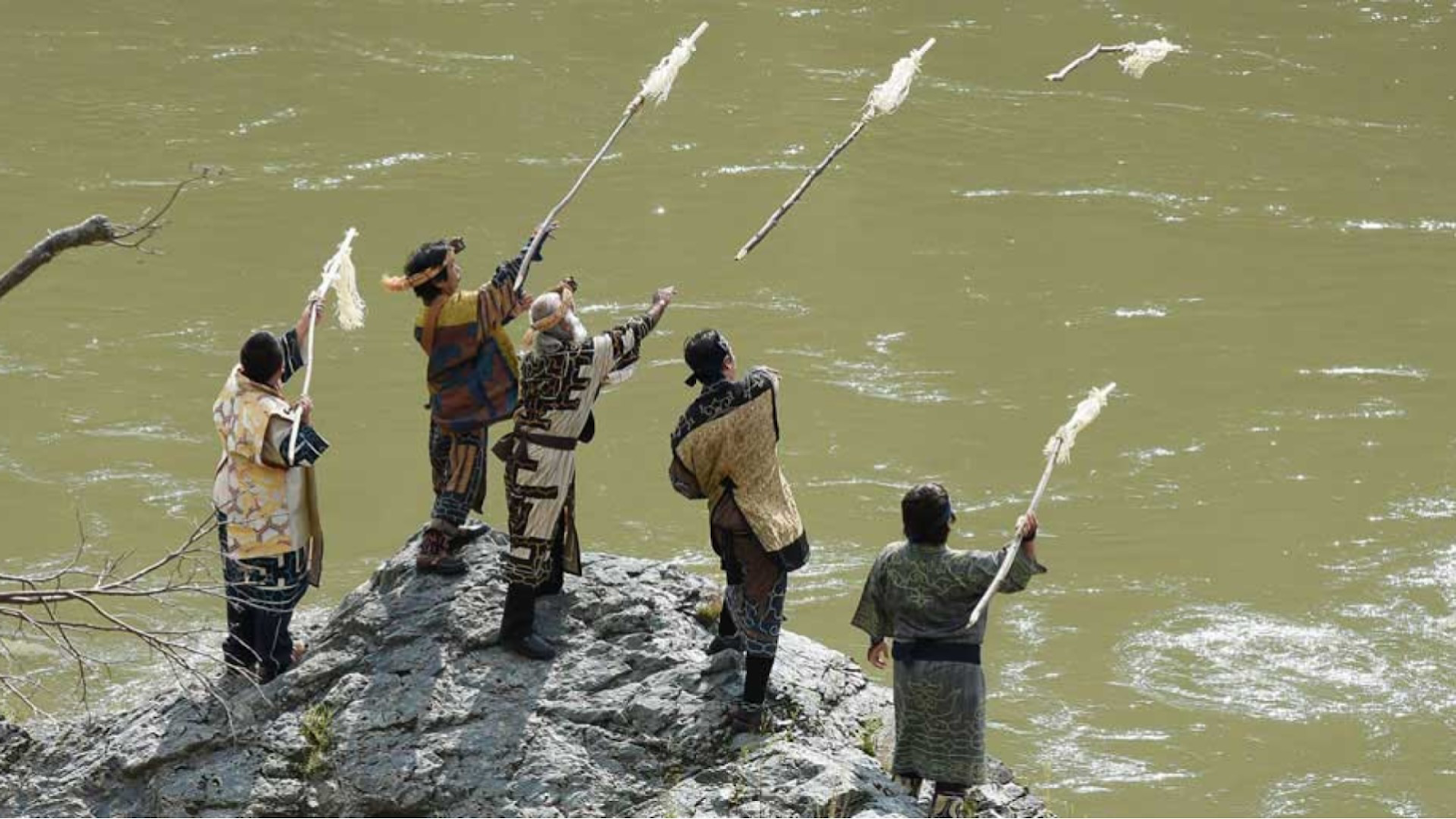
The Ainu methods of traditional salmon fishing have become a point of contention within Japan. Their spear-fishing practices have been heavily restricted by recent regulation, as the Japanese government imposed limits to the quantity of fish that can be caught and prohibited its use for economic livelihood. Throughout this discourse, there have been many different cases, but the specific case of Satoshi Hatekeyama sticks out as a cause for concern due to his position within the Ainu community. As both an Ainu elder and leader of an Ainu Association in Hokkaidō, Hatekeyama had a criminal complaint filed against him for salmon fishing in a local river on suspicion of poaching in 2019 — a violation connected to previously established acts within the Hokkaidō jurisdiction. These consist of the local laws of Hokkaidō, the traditional lands of the Ainu, but thus far have failed to serve the actual residents of these locations to maintain the power imbalance that prevents the Ainu from engaging in their fishing practices. The Ainu fished before the colonial period and have never relinquished this right; the Japanese government in refraining to mandate this works against their Article 17 of the APPA, which states “the catching of salmon in rivers using traditional methods” is given special consideration. Hatekeyama claims that by restricting his ability to engage in traditional fishing, the government not only violates international human rights law, but also violates its obligation to protect Ainu rights under local, constitutional and international law. This criminal accusation against Mr. Hatakeyama for his acts of traditional fishing demonstrates how the state prioritizes resource control over its legal obligation to protect Ainu rights.
Japan’s rejection of the international standard that is enshrined in the UNDRIP can be seen as a manipulation of culture-based policy, not rights-based policy, for the purpose of symbolic tokenism without transfer of power. The future of the Ainu people is uncertain; but in order for them to achieve holistic recognition, the next steps of the Japanese Government will require policies that extend beyond the promotion of cultural tourism, in turn for serious debate on the restoration of social, economic, and political rights to the Ainu people.
Edited by Emma Ristic and Norah Nehme.